Parkland had 39,186 residents in the latest Census estimate, and its population grew 13.0%, the fastest growth among the cities we serve. Most homes are owner-occupied and households are large, so more fixtures, appliances and water heaters run under one roof every day. When a pipe fails or a storm pushes water inside, there is a lot of building to dry out. In Parkland homes, the regional wet season makes that drying slower, because high humidity and frequent summer rain keep wet building materials damp for much longer, which raises the risk of mold. If you need water damage Parkland help, this page explains how our Coral Springs team serves Parkland homes and how to reach us.
Water Damage in Parkland: The Local Picture
Homes and growth in Parkland
Census estimates put Parkland's population at 39,186, with growth of 13.0% in the recent comparison period, the fastest growth among the cities we serve. About 85.1% of homes are owner-occupied, so the person calling about water damage is usually the homeowner who makes the decisions, manages the insurance paperwork and lives with the result. The city has 11,137 households averaging 3.33 people each, the largest household size among the cities we serve. Homes with that many residents place steady demand on plumbing, dishwashers, washing machines and water heaters, and each of those is a possible source of a leak that goes unnoticed for days. Home values in Parkland are the highest of the cities in this area, and 13.0% of residents are aged 65 or older.
Permits and local authority
Parkland's building permits are handled by the City of Parkland Building Department at City Hall, 6600 University Drive, Parkland, FL 33067. The department issues permits based on approved plans, and certified inspectors perform structural, electrical, plumbing and mechanical inspections before a certificate of occupancy is issued. Permit types include aluminium structures, water heaters, A/C change-outs and re-roofs, and many water damage repairs touch one or more of these trades. Permits and inspections are managed through the city's My Government Online (MGO) portal. Each city in this area has its own building authority and its own rules, so Parkland's requirements are not the same as Coral Springs' or any neighbouring city's. For a Parkland home, the permit route runs through Parkland's own department, not Coral Springs'. Ask the department which permits apply to your specific repair before work starts.
Water systems and problems in Parkland homes
Parkland homes with large households use more water every day, and that puts pressure on the same few points that fail most often. With 3.33 people per household on average, more people per home means more daily water use across bathrooms, kitchens and laundry. Typical sources of leaks in homes like these include supply lines and fittings under sinks, water heater leaks, air conditioner condensate lines, dishwasher and washing machine hoses, and bathroom plumbing behind walls. Water from these sources rarely stays in one place. It soaks into drywall, wicks up baseboards, collects under flooring and spreads behind cabinets, so the visible damage is often only part of the wet area. Finding the full extent of the moisture is the first step in a proper repair, and it guides every decision that follows.
Weather and water exposure in the region
The regional climate record for Coral Springs, the city directly south of Parkland, shows average rainfall is higher from April through September, and the hurricane season runs from June through November, with September the most likely month for a major storm. This is regional context for Broward County and it is not a measured rainfall figure for Parkland itself. Summer storms can drive rain into a home through roof openings, window seals and door thresholds. Wind-driven rain during these months can also push water past worn seals and into wall cavities that are hard to see from inside the room. Keeping gutters and roof edges clear of debris also helps rain move away from the structure. Parkland is an inland city, so the water risks we plan for are rain, drainage flooding and storm-driven entry, not coastal surge.
Services in Parkland
Water damage restoration for Parkland homes
Our water damage restoration service covers water extraction, structural drying, moisture mapping and removal of materials that cannot be dried. It also includes water repair, so the source of the leak is addressed as part of the job. Repair work starts only after the structure is dry, so the rebuild is not done over a wet wall or floor. Moisture mapping shows where the water traveled, which helps the crew decide what stays and what comes out. The service page explains each stage of the process in detail.
Storm damage cleanup in Parkland
Our storm damage service handles water that enters through wind-damaged roofs, windows and doors, and the cleanup that follows a storm. The work includes water extraction from affected rooms and hidden leak detection when water appears in a wall or ceiling after heavy rain. Leak detection helps find the entry point, so the source can be addressed rather than just the stain on the ceiling. Documentation helps you separate storm damage from wear and maintenance issues, and the service page lists each step in order.
Mold remediation in Parkland
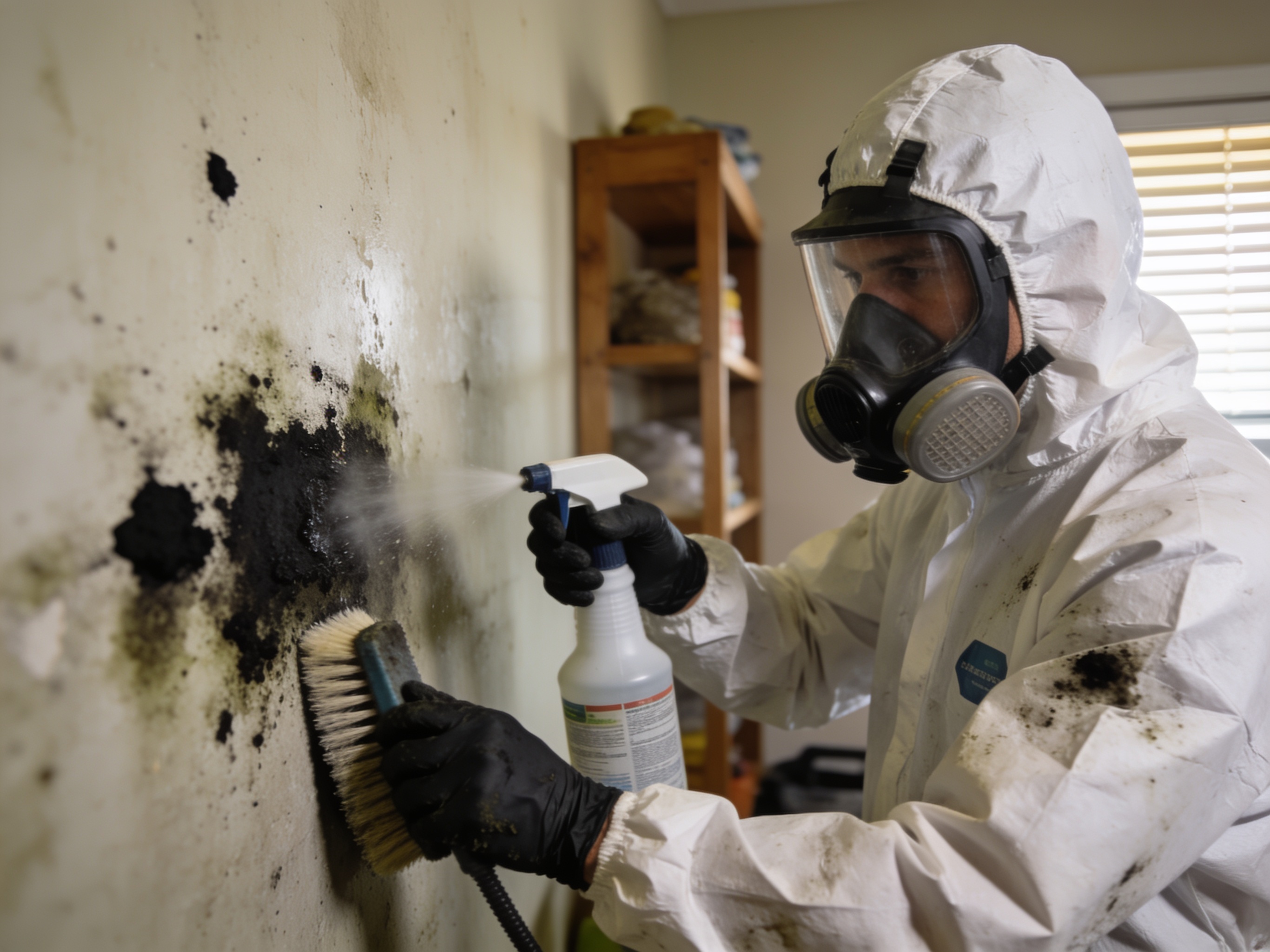
Our mold remediation service removes mold growth, uses containment and air filtration during removal, and corrects the moisture source that allowed the growth. Mold inspection is part of the assessment, so the affected areas are identified before any removal starts. Mold tends to return when the moisture source stays in place, so the remediation plan includes checking the source and confirming the area dries after treatment. Air filtration and containment help keep spores from spreading to clean rooms during the work. The service page describes the process in more detail.
Why Parkland Homeowners Choose Us
Our office is at 3308 N University Dr Ste 100, Coral Springs, FL 33065. We are based in Coral Springs, a short drive south of Parkland. Local work means we already know the rainfall pattern, the drainage conditions and the housing mix that shape water damage in this part of Broward County.
Every job starts with a written scope. It describes what we found, what we will remove, what we will dry and how we will check the result. Drying is verified with moisture readings taken across the structure, and we record those readings before we close out the job, so you have a written record of where the moisture stood at each stage. You do not have to take our word for the drying; you can see the numbers in the report.
Why Water Damage in Parkland Should Not Wait
Waiting raises drying and mold risk in Parkland homes, because water that stays in drywall, subfloor and cabinet bases keeps moisture inside the building long after the visible water is gone. In the warm, humid months of the South Florida rainy season, that trapped moisture can support mold growth. Parkland's rainy-season humidity keeps walls and floors damp, so drying takes longer than it would in a drier month. Mold then adds a second problem to the first, and it can spread through the wall cavities and into the HVAC system if the area is not treated.
Parkland's large households and owner-occupied homes mean that many people share the space where a leak can start, and the people living there are often the first to notice it. Waiting until the damage looks serious usually means more material has to be removed and more of the house has to be dried. Every extra hour that moisture stays in place adds to the work ahead. Calling early gives the drying process the best chance to save what can be saved, and it keeps the documentation clear for your records.
Frequently Asked Questions
Do I need a permit to repair water damage in Parkland?
Parkland's building department issues permits based on approved plans and manages permits and inspections through the MGO portal. Whether a specific repair needs a permit depends on its scope, especially if it touches structural, electrical, plumbing or mechanical work. Ask the City of Parkland Building Department at City Hall, 6600 University Dr., Parkland, FL 33067, before the repair begins.
What do building inspections in Parkland cover?
Certified inspectors in Parkland check structural, electrical, plumbing and mechanical work. Once the work passes all required inspections, the city issues a certificate of occupancy. Inspections are scheduled and tracked through the MGO system, so the process is the same whether you are a homeowner or a contractor working on your home.
Why does the rainy season matter for a Parkland home?
Regional rainfall is higher from April through September, and the hurricane season runs from June through November. During those months, rain and humidity make drying slower, and wind-driven rain can enter through roofs, windows and doors. Parkland shares this regional pattern with the rest of Broward County, so a leak or storm entry during the wet season needs prompt attention.
Is my Parkland home in a flood zone?
This page does not state a flood zone for any Parkland address. Flood zone status is set by FEMA flood maps and can change when the maps are updated. The City of Parkland can confirm the status of a specific property, and that is the right place to check before you rely on any flood designation for insurance or planning purposes.
What affects the cost of water damage restoration in Parkland?
The main cost factors are how much material is wet, how far the water has traveled, whether the water is clean or contaminated, how many materials must be removed rather than dried, whether mold is present, how easily the work area can be accessed, and whether permitted repairs follow the drying. The final cost depends on the factors above, and the written scope explains each one.
What happens when I call, and how is drying verified?
When you call (954) 481-0645, we will ask where the water came from, whether it is still running, what rooms are affected and what materials are wet. If it is safe to do so, shut off the water source at the main. We then document the damage as it is found, with photographs, before any materials are moved. Extraction and drying equipment is set up, and moisture readings are taken across the structure and recorded until the readings show the area is dry. The repair plan follows once the drying is complete.
Call Us About Water Damage in Parkland
If you are dealing with water damage in Parkland, call (954) 481-0645 and describe what you are seeing. Tell us where the water came from, which rooms are affected and whether the source is still active. Early details make the first steps easier to plan, so have them ready when you call. Our full contact details, including the office address, are on our contact page.