Coconut Creek sits next to Coral Springs, and its homes face a water reality that is easy to underestimate. Water damage here often starts with an ordinary failure: a supply line lets go, a water heater begins leaking, or rain finds a weak point in the roof. Coconut Creek had 58,626 residents in July 2025, up 1.8 percent since April 2020. With 64.8 percent of housing units owner-occupied, a substantial share of homes are rented, so many calls about water damage come from tenants and landlords as well as owners. This page explains what water damage means for Coconut Creek homes, how the local climate shapes drying, and how to reach our team by phone.
Water Damage in Coconut Creek: The Local Picture
Homes and Growth in Coconut Creek
Coconut Creek's population grew by 1.8 percent from the April 2020 census base to the July 2025 estimate, according to U.S. Census Bureau QuickFacts. The city has 24,304 households, with about 2.39 persons per household, so a single water event can disrupt a whole daily routine, from bedrooms and kitchens to laundry areas. The city also borders Coral Springs to the east, so the same regional weather pattern described below reaches both communities. About one in five residents (20.1 percent) is aged 65 or older. Many households will need help moving belongings, clearing rooms, or staying out of a work area while drying takes place. Replacing flooring, cabinets, or drywall is still a significant undertaking for many owners, so the scope of a repair matters. Clear information about the repair scope early on helps every household plan its time and belongings.
Permits and Local Authority
Some repairs after water damage need a permit, and the rules are set by each city. In Coconut Creek, permitting sits with the city's building department, so that office is the right starting point for any repair that touches the structure. Each city in Broward and Palm Beach counties runs its own process, and Coral Springs' rules do not apply here, so a homeowner should not assume that a neighbouring city's requirements carry over. Before work begins on a damaged wall, ceiling, floor, or fixture, confirm the route for the property's address before work starts. Our team can explain, in general terms, how drying and repair work fits into the building process, but the city's department has the final word on what applies to a specific property.
Water Sources and Common Failure Points
Water damage in a South Florida home usually traces back to a short list of sources: a burst or leaking supply line, a water heater failure, an air conditioner condensate overflow, a failed appliance hose behind a washer or dishwasher, or water entering through a roof leak. Each source behaves differently. A pipe leak can soak drywall and flooring from the inside, where the damage stays hidden until a stain or soft spot appears. A roof leak can travel along framing before it shows on a ceiling. In Coconut Creek, where the renter share is the largest of the cities in this area, a tenant may notice the problem first, while the decision about repair and drying may rest with a landlord or property manager. Both need clear information early.
Weather and Water Exposure in the Region
The following is regional context for the Coral Springs and Coconut Creek area, not a measurement taken in Coconut Creek. The local climate is tropical, with average rainfall higher from April to September and drier conditions in January and February. Hurricane season runs from June to November, and across the region September is the most likely month for a storm, so the wetter months and the storm season overlap from June through September. Hurricane Wilma's eye passed directly over neighbouring Coral Springs in 2005, which shows how a major storm can reach this part of Broward County. In this region, water risk comes mainly from heavy rainfall and wind-driven rain entering through damaged roofs, windows, and doors. Heavy rain and strong wind can test seals, shingles, and door thresholds, so checking them before the season peaks makes sense.
Services in Coconut Creek
Water Damage Restoration for Coconut Creek Homes
Water damage restoration covers extraction of standing water, structural drying with air movers and dehumidification, and moisture mapping to confirm which materials are still wet. It also includes a clear decision about which drywall, flooring, or baseboards must be removed and which can be dried in place. Repairs begin only after drying is complete, so that new materials are not installed over moisture. Each step is explained before work starts. For the full process, see water damage restoration.
Storm Damage Cleanup in Coconut Creek
After a storm, the first step is documentation: photographs of the damage as found, followed by stopping the water source where it is safe to do so, removing standing water, and drying the structure. The scope follows what is found on site. The storm damage service also covers hidden leaks that appear after wind-driven rain, because water can move inside walls and ceilings well away from where it entered. Keeping a clear record of what was damaged by the storm, as opposed to general wear, helps homeowners with their own records. See storm damage cleanup and restoration.
Mold Remediation After Water Damage
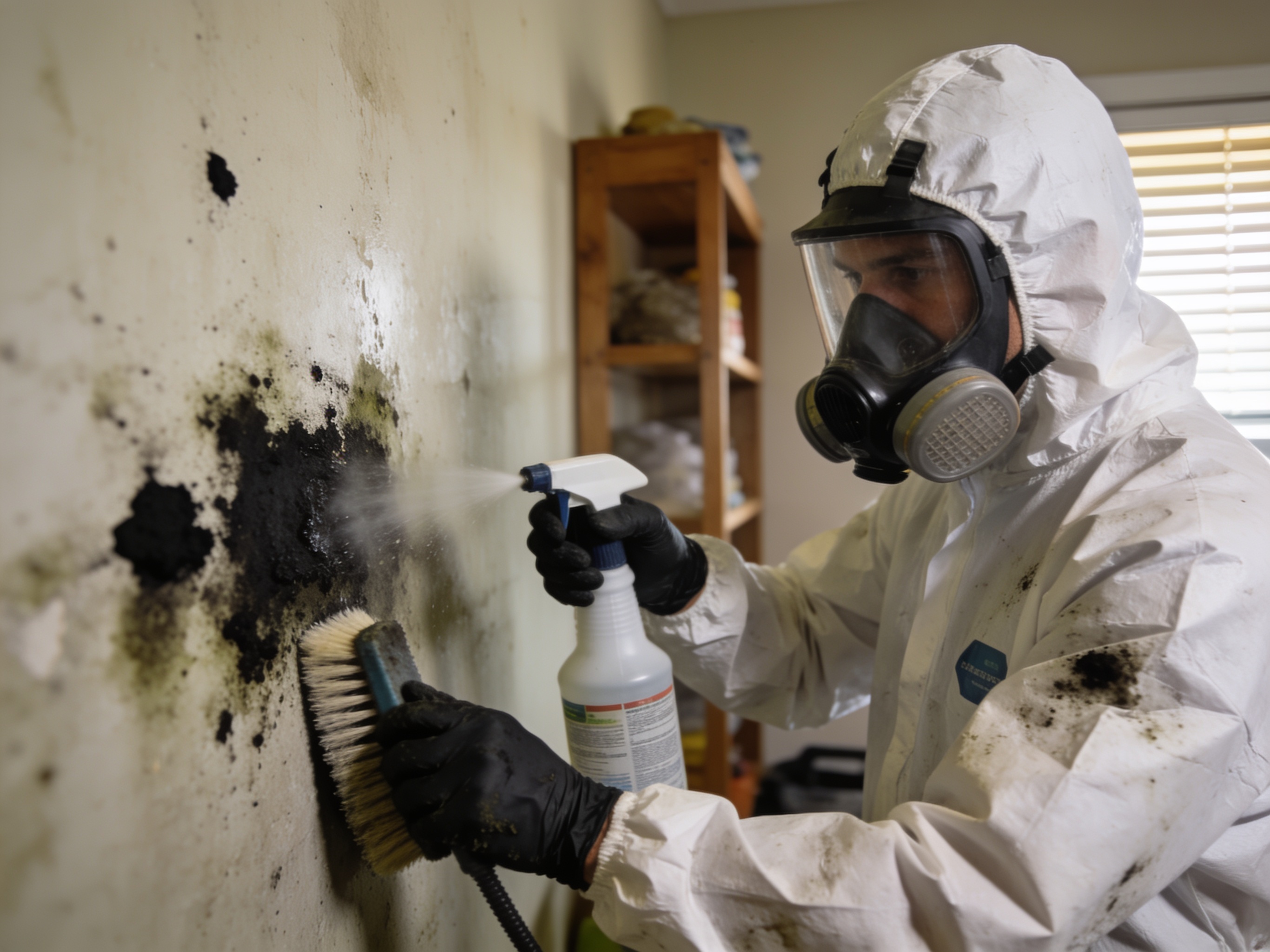
Mold can follow water damage when wet materials are not dried quickly enough. Mold remediation involves containment to keep spores from spreading, removal of affected materials, HEPA filtration, antimicrobial treatment, and correction of the moisture source, followed by drying verification. Removing visible mold without fixing the source of the water is not a lasting fix, so the moisture problem is addressed as part of the job. Learn more on the mold remediation page.
Why Coconut Creek Homeowners Choose Us
Our office is at 3308 N University Dr Ste 100, Coral Springs, FL 33065, a short drive from Coconut Creek. A local office means our team works with the same regional conditions described on this page, including the rainy season, the hurricane pattern, and the mix of owner-occupied and rental housing in the area.
Every job follows a written scope of work. The scope lists the affected areas, the materials to be removed, the drying steps, and what will be checked at the end. Drying is verified with moisture readings before a job is closed, so the homeowner can see that the structure has reached dry standard rather than relying on a visual check. Questions about the scope, the readings, or the next steps can be answered by phone at (954) 481-0645.
Why Water Damage in Coconut Creek Should Not Wait
Water left in a home does not wait for a convenient time. Across the regional wet season from April to September, wet drywall, carpet padding, and subfloor can hold moisture long after the surface looks dry. Wet materials that stay wet longer take longer to dry, and drying is verified by moisture readings before the job is closed. That is why an early start matters for Coconut Creek households. The sooner the source is stopped and standing water is removed, the less material has to come out, and the lower the chance that mold has time to establish itself.
With 64.8 percent of housing units owner-occupied, a meaningful share of Coconut Creek homes are rented. A delay can affect a tenant's belongings, a landlord's repair plan, and the other units in a multi-unit property. Some older residents may find it harder to manage cleanup alone. Waiting also tends to make the decisions harder, because a problem that started as a leak can turn into a question about flooring, cabinets, and mold.
Start with a phone call. Describe where the water came from, which rooms are affected, and whether the source has been stopped. That information helps the team understand the situation before any work is planned.
Frequently Asked Questions
Does the rainy season affect water damage in Coconut Creek?
Yes, at the regional level. Rainfall is higher from April to September across the Coral Springs and Coconut Creek area. Wet materials that stay wet longer take longer to dry, and drying is verified by moisture readings before the job is closed. Hurricane season runs from June to November. The regional pattern is a good reason to call early, but the drying needs of any Coconut Creek home depend on its materials and the water source.
Who usually calls about water damage in Coconut Creek?
Both owners and renters. According to U.S. Census Bureau estimates, 64.8 percent of Coconut Creek's housing units are owner-occupied, so a significant share of properties have tenants or landlords involved. Either party can make the call, and an owner or property manager's approval may be needed before work starts on a rental.
Do I need a permit to repair water damage in Coconut Creek?
It depends on the scope of the repair. Confirm the permit requirements with the city's building department for your property before work begins. Permit rules in one Broward or Palm Beach city do not automatically apply in another, so do not assume that a neighbouring city's requirements are the same.
What affects the cost of water damage restoration in Coconut Creek?
Cost depends on several factors: the source and type of water, how far the water has spread, how many rooms and materials are affected, whether drywall, flooring, or cabinets must be removed, how long drying takes, and whether mold remediation or permit-related repairs are needed. Every project is different, so the factors above explain what drives the scope of a job. This page does not list prices.
What happens when I call (954) 481-0645?
Call the phone number and describe where the water came from and which rooms are affected. Mention whether the source has been stopped and whether you have photographs of the damage. The team will ask questions about the situation and talk through the next steps for the property. Phone is the contact route for this business.
How do you confirm that drying is complete?
Drying is checked with moisture readings across the affected materials, not only by looking at the surface. The readings are compared with readings from unaffected materials in the same area, and drying continues until the affected materials reach a dry standard. The readings are documented so the homeowner has a record of the job.
Talk to Our Team About Water Damage in Coconut Creek
If water has entered a Coconut Creek home, call (954) 481-0645 to talk through the source, the affected rooms, and the next steps. Have a few details ready, such as where the water started, which materials are wet, and whether the source has been stopped, so the conversation can move quickly. For our office address and other contact details, visit our contact page.