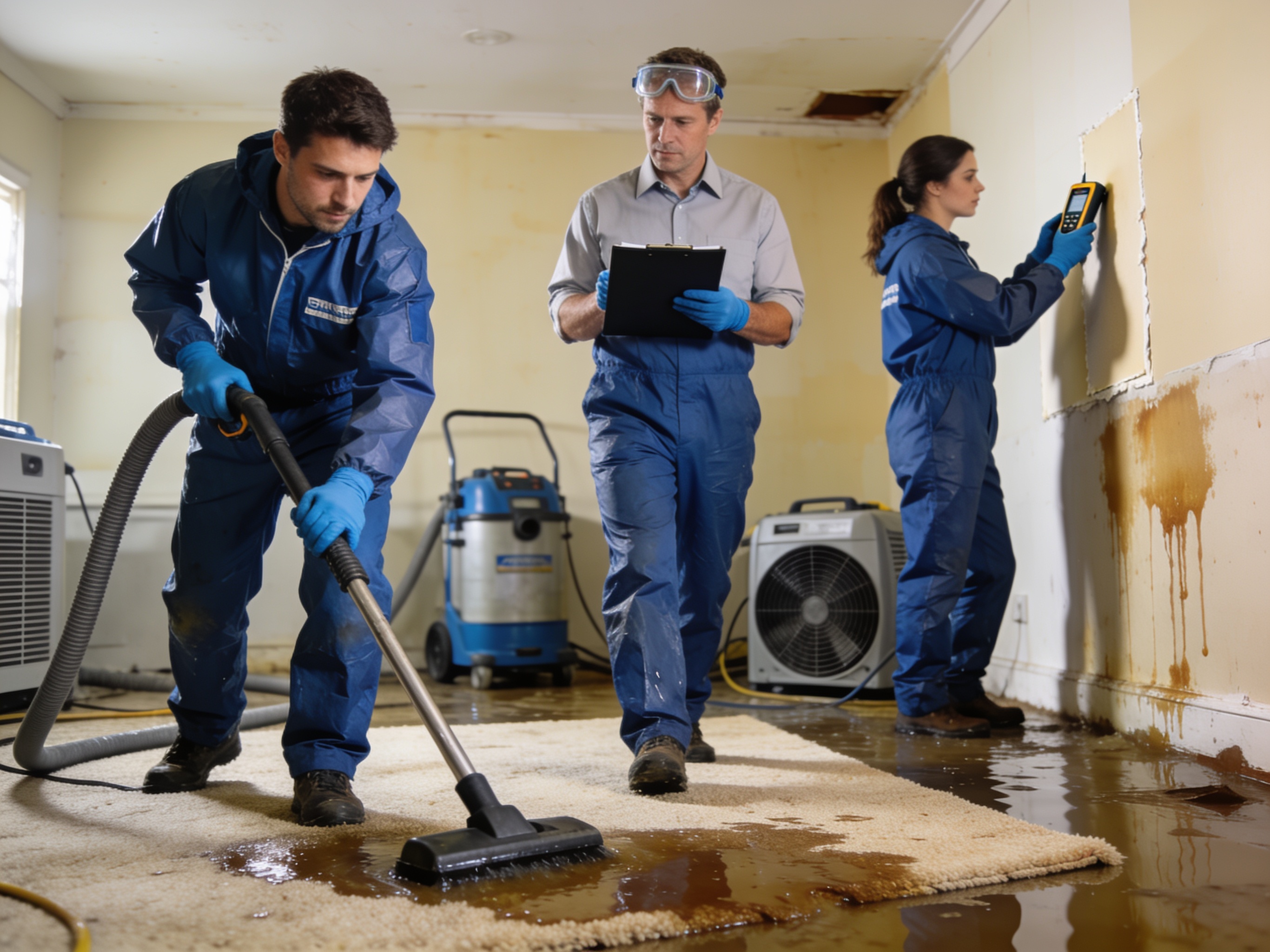
Coral Springs is an inland, master-planned city in Broward County with an estimated 138,783 residents as of July 1, 2025. Its homes sit on drained marshland, and water damage here usually comes from supply lines, water heaters, air conditioners, roofs after storms, and heavy rainfall. This page explains what to expect locally and how to reach mold remediation coral springs by phone at (954) 481-0645.
Water Damage in Coral Springs: The Local Picture
Water damage in Coral Springs follows local patterns: older plumbing and appliances in homes built out by 2003, drained marshland, and heavy seasonal rain.
Homes and growth
Coral Springs has grown steadily. The U.S. Census Bureau's latest estimate puts the city at 138,783 residents on July 1, 2025, up 3.3% since April 2020. The city has 45,204 households averaging 3.01 people each. About 60.3% of homes are owner-occupied, which leaves a meaningful share of renters, condo owners and landlords who call about damage in a unit they do not fully control. That mix means callers include tenants who need a property owner's approval, condo owners who share a building, and homeowners responsible for the whole house. The city reached residential build-out in 2003, so most of its housing stock dates from the 1960s through that period. Plumbing, water heaters and air conditioners in that stock are often older or already replaced, and that age matters when a supply line or condensate line fails.
Permits
Repair work on water-damaged homes in Coral Springs usually runs through the City of Coral Springs Building Department at City Hall, 9500 W. Sample Road. The department reviews plans, issues permits, performs field inspections and issues certificates of occupancy. Permits can be filed through eTRAKiT online, at the walk-in One-Stop-Shop, or through a drop box. Because the department reviews plans before it issues permits, a clear written scope of the repair helps the review. In general, a permit is required to construct, enlarge, alter, repair, move, remove or demolish a building or part of one. Replacing a water heater or an air conditioner always needs a permit, and the city's FAQ places several other system change-outs under the same rule. Scope decides what is required, so confirm the work before anything is replaced.
Water systems and typical problems
Water damage in this housing stock often traces back to a short list of sources. Pressurized supply lines and drain lines can burst or leak inside walls and under floors. Water heaters fail at the tank or at their connections. Air conditioners leak when the condensate drain clogs or overflows. Appliance supply lines, such as those to washing machines and refrigerators, can fail the same way. Roofs can admit water after storms through damaged shingles, flashing or vent openings, and that water often shows first on a ceiling far from the entry point. Each source wets different materials. Drywall, baseboards, subfloors and flooring need different drying approaches, and some material must be removed. Finding the source first is what keeps the damage from returning. Since these systems are often older, checking the whole line may reveal other weak points.
Weather and water exposure
Coral Springs is inland, but it is not dry. After several floods in 1947, Florida created what is now the South Florida Water Management District, and canals and levees drained the marsh the city was built on. The climate is tropical. Rainfall is higher from April to September, with June averaging about 7.3 inches, and the climate table on the city's Wikipedia page lists an annual total of about 57.27 inches. Those months put the most strain on canal drainage. Hurricane season runs from June through November, overlapping the wet months. The most powerful storm to affect the city since its incorporation was Hurricane Wilma in 2005, and its eye passed directly over Coral Springs. Local water risk here comes mainly from canal and rainfall flooding and wind-driven rain, not from coastal surge.
Services in Coral Springs
Three services address the water, storm and moisture problems covered on this page, each summarized below with a link to its full page.
Water damage restoration
Water damage restoration covers the work after a pipe, water heater, air conditioner or appliance leaks. It is for homeowners, condo owners and landlords who need the damage in a home or unit assessed and brought back to a usable, dry condition. The service addresses water removal, drying the structure and deciding which materials can be kept and which must be replaced. The same page explains what repair covers after drying. See water damage restoration.
Storm damage
Storm damage work focuses on water that enters during and after a storm, including wind-driven rain through roofs, windows and doors, openings left by fallen trees, and standing water after heavy rain. It suits homes where a storm has left water in the structure and the owner needs a clear account of the work, and it covers documenting damage as found, drying affected areas, finding hidden leaks and keeping records. See storm damage.
Mold remediation
Mold remediation covers mold growing on wet materials in the home, a risk that humidity in Coral Springs can prolong. The service addresses removal of contaminated material, correction of the moisture source so the problem does not return, and the inspection and testing context covered on the same page. It is for homeowners and property owners who find visible growth or who suspect hidden growth after water damage. See mold remediation.
Why Coral Springs Homeowners Choose Us
We focus on the water and moisture problems that Coral Springs homes actually have. Many homes here were built before Coral Springs reached build-out in 2003, and they carry systems that are older or have been replaced at different times, while the canal-drained setting and April to September rainfall keep moisture a constant concern. That is why our approach starts with the building's systems rather than the surface stains. We work from the source outward: find where the water entered, document the damage as found, extract standing water, dry the structure, and only then decide what must be removed. We explain what repair covers, what mold remediation involves and which factors affect cost, so you can decide with a clear picture. You can reach us directly at (954) 481-0645 or through our contact page. We will say plainly when a material can be dried rather than replaced, and we will not promise outcomes we cannot control.
Why Water Damage in Coral Springs Should Not Wait
Wet materials do not stay neutral. In a city with about 57.27 inches of annual rain, and higher rainfall from April to September, humidity can stay high for long stretches, and water left in drywall, insulation, subfloors or wall cavities keeps those materials damp. Much of the city's housing predates its 2003 build-out, so those hidden spaces sit inside aging homes. Mold can start to grow on damp building materials, and it can spread from the first wet area into adjacent rooms, closets and wall cavities. Wood can swell and warp, flooring can cup or loosen, and paint and drywall can stain or crumble. Homes that took water in Wilma in 2005 may still hold hidden moisture if they were never fully dried. Canals and levees keep the drained marshland usable, but heavy rain can outrun drainage, so wet areas may stay wet longer than expected. Damage behind walls or under floors often stays hidden until the visible signs appear, which is why the original source needs to be found early. Waiting also tends to make the job larger, because material that could have been dried may need to be removed. Calling soon gives the drying and source correction the best chance to limit the damage.
Frequently Asked Questions About Water Damage in Coral Springs
Do I need a permit to repair water damage in Coral Springs?
Often, yes. The City of Coral Springs Building Department requires a permit for work that constructs, enlarges, alters, repairs, moves, removes or demolishes a building or part of one. Replacing a water heater or air conditioner always requires a permit, and the city lists heat pump, tub or shower pan, and electrical service change-outs under the same rule. Some minor repairs that do not change occupancy may qualify for an exception. The department also reviews plans and performs field inspections. Confirm with the department at 9500 W. Sample Road or through eTRAKiT before work begins.
Why does Coral Springs flood if it is inland?
The city was built on drained marshland. Canals and levees keep the land dry enough to build on, but heavy rainfall from April to September can still overwhelm drainage and cause localized flooding. Annual rainfall totals about 57.27 inches across the city. Wind-driven rain during storms adds to the problem. Coral Springs' flood risk comes from rainfall and drainage rather than the ocean, so the homes most likely to see water are those with failing roofs, plumbing, or low areas that collect runoff.
What happened in Coral Springs during Hurricane Wilma?
Hurricane Wilma struck in 2005. Its eye passed directly over Coral Springs, and it is the most powerful hurricane to affect the city since it was incorporated. Hurricane season runs June through November, overlapping the rainy months. Homeowners should photograph any water entry as it is found and keep a dated record of what they saw, for their own documentation. Homeowners who experienced water intrusion during Wilma or later storms should document the damage and check for hidden moisture behind walls and under floors.
My home was built before Coral Springs was built out in 2003. Does that matter for water damage?
It can. Coral Springs reached residential build-out in 2003, and much of the city's housing stock was built during the decades before that. Housing dates from the 1960s to 2003, so systems vary in age. Plumbing, water heaters and air conditioners in older homes are more likely to be aged or to have been replaced at different times, and those systems are common sources of leaks. A home's age does not determine whether it will have water damage, but it is a reasonable reason to have supply lines, heaters and condensate drains checked after a problem appears.
What affects the cost of water damage or mold work in Coral Springs?
Several factors affect the cost of this work. These include how large the affected area is, how contaminated the water is, which materials are wet, whether drywall or flooring must be removed, how much drying equipment is needed, and whether mold remediation is also required. Finding and correcting the moisture source adds scope in some cases. Each source wets different materials, so scope varies by source. We explain these factors with you before work begins so you can see what is included and why.
Call (954) 481-0645 for Water Damage Help in Coral Springs
If water is spreading through a Coral Springs home now, call (954) 481-0645. Phone is the way to reach us, and you can also visit the contact page. Tell us where the water came from, when it started and which rooms are affected, and we will explain the next steps. Our office is at 3308 N University Dr Ste 100, Coral Springs, FL 33065.